
In The Monasteries of Luoyang, it says: “All history books are not honest records; they are just like contemporary biographies, which tend to turn someone foolish into someone enlightened once that person is dead. How very confusing it is!” Indeed, history books are generally untrustworthy. But it’s overstating to say that all of them are like that.
In ancient times, history books were called “direct records” – so initially perhaps they’re not too far from the truth? Although Confucius did once say, “If an article tries to whitewash someone’s deeds, it becomes history.” Looks like history is not all that ‘direct’ a record, after all. Therefore, instead of saying “all history books are not honest”, maybe we can say “history books are not all honest”, which is a more accurate way to put it.
As a matter of fact, people of bygone era were much more careful with their words. If they said something good about someone, it’s enough for that person to leave a mark for ages to come. Nowadays, however, people see review as make-believe, trading it as a favor, dealing out all the exaggerated flatters without blinking an eye. How sad!
That’s why the author of The Monasteries of Luoyang made the remark. It pointed out the malady of the Dharma-ending Age. Without such truth-telling, how could we learn to distinguish between the good teachers (such as those recorded in The Jingde Record of the Transmission of the Lamp) and the modern people, who stealthily insert names to their Family Tree?
Henceforth, my disciples should never invite high officials or celebrities to write commemorative for me. This way no one could turn my unawaken foibles into stories of enlightenment.
by Grand Master Lian Chi (蓮池大師), the Eighth Patriarch of Pure Land Buddhism
生愚死智 – 錄自明末蓮池大師《竹窗隨筆》(初筆)
洛陽伽藍記云:「史書皆非實錄,今人生愚死智,惑亦甚矣!」蓋言史多溢美,不足信也。但「皆非」二字,立言太過。古號史為直筆,則焉得非實? 夫子言「文勝質則史」,則容有非實,當改「皆非」作「未必」耳。夫古人慎重許可,一語品題,芳播千古;而今乃視為故事,等為人情,虛諛浪褒,取笑譏者,可嘆也。故洛陽記有激而發此論,切中末世之弊。不如是道破,傳燈錄前代真善知識,與今安排名姓插入祖圖者何辨? 爾後為吾弟子,毋妄干名公大人,裝點吾之未到也。

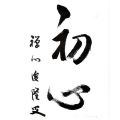
 Buddha Mind